Dubai’s Residency Milestone: A Snapshot of the First Half of 2026
Dubai’s latest residency figures are more than an immigration milestone—they provide valuable insight into the emirate’s long-term economic and real estate trajectory. With more than 1.05 million new residence permits issued during the first half of 2026, the data points to sustained Dubai population growth. This growth is expected to influence housing demand, rental activity, and investment opportunities across the Dubai property market.
During the same period, the city processed 910,552 residence permit renewals and more than 5,078,078 entry permits. Furthermore, officials granted over 66,000 Golden Visas, highlighting strong demand from both long-term residents and international investors. According to the General Directorate of Identity and Foreigners Affairs (GDRFA), this increase reflects Dubai’s growing appeal as a destination for living, working, business, and investment. Lieutenant General Mohammed Ahmed Al Marri highlighted the efficiency of the updated residency system, ensuring the city remains highly accessible for global talent tracking Dubai residency permits 2026.
Why Residency Growth Matters for Dubai’s Real Estate Market
More residents create significant housing demand across different property segments, including rental apartments, family villas, and owner-occupied homes. We are observing a notable shift toward genuine end-user demand as people choose to settle down for longer periods. Families actively seek spacious community living options to support their modern lifestyles. This sustained influx supports occupancy levels and encourages builders to launch well-planned residential property projects.
Consequently, the broader Dubai real estate market benefits from this structural stability. A growing expat population requires a robust housing supply to meet their everyday needs. When you analyze Dubai residency permits 2026, it reveals targeted investment opportunities for developers and individual buyers alike. The maturing real estate ecosystem now relies on data-driven market fundamentals rather than short-term speculation.
What the Residency Data Means for Different Types of Property Buyers
The recent surge in UAE residency applications impacts various buyer demographics uniquely. Overseas buyers utilize these metrics to gauge long-term market security before committing capital. Meanwhile, families relocating directly drive the need for larger, established homes. This broadens the search intent across the entire property spectrum and provides a solid foundation for real estate growth.
We can categorize the market impact based on specific buyer profiles and their investment goals.
| Buyer Category | Market Impact & Behavior |
| First-Time Buyers | Seeking affordable homeownership options over renting. |
| Property investors | Targeting steady rental yields in connected districts. |
| Golden Visa Investors | Focusing on luxury developments for long-term wealth. |
How Golden Visa Holders Are Strengthening Long-Term Property Demand
The expanding Dubai Golden Visa 2026 program consistently attracts global talent to the region. These long-term residents now include wealthy investors, entrepreneurs, specialized scientists, medical professionals, and creatives. This diverse demographic displays a clear preference for purchasing homes rather than extending long-term rental agreements. They actively look for premium residential communities where they can establish permanent roots safely.
This behavioral shift anchors the neighborhood demographic and may support property appreciation over time. This maturing mindset fosters strong investor confidence across the UAE. Wealthy foreign investors deeply appreciate the stable regulatory environment and notable tax advantages. Securing the UAE Golden Visa through property ownership remains a highly attractive strategy for wealth preservation.
The Link Between Population Growth and Higher Rental Demand
When corporate expansion brings more skilled professionals into the city, rental demand naturally increases. The constant arrival of international professionals into this thriving business hub keeps the leasing market highly active. This dynamic directly impacts the demand and supply balance in popular neighborhoods, creating a structured foundation for landlord stability.
Higher occupancy levels can encourage developers to launch additional residential projects while supporting demand for professionally managed rental communities. Property owners often see attractive rental yields on well-maintained assets. The tightening available inventory may support property prices and leasing rates over time. We anticipate this residential demand will remain healthy, and analyzing Dubai residency permits 2026 provides a clear roadmap of future leasing activity.
Why Off-Plan Properties Could Benefit the Most
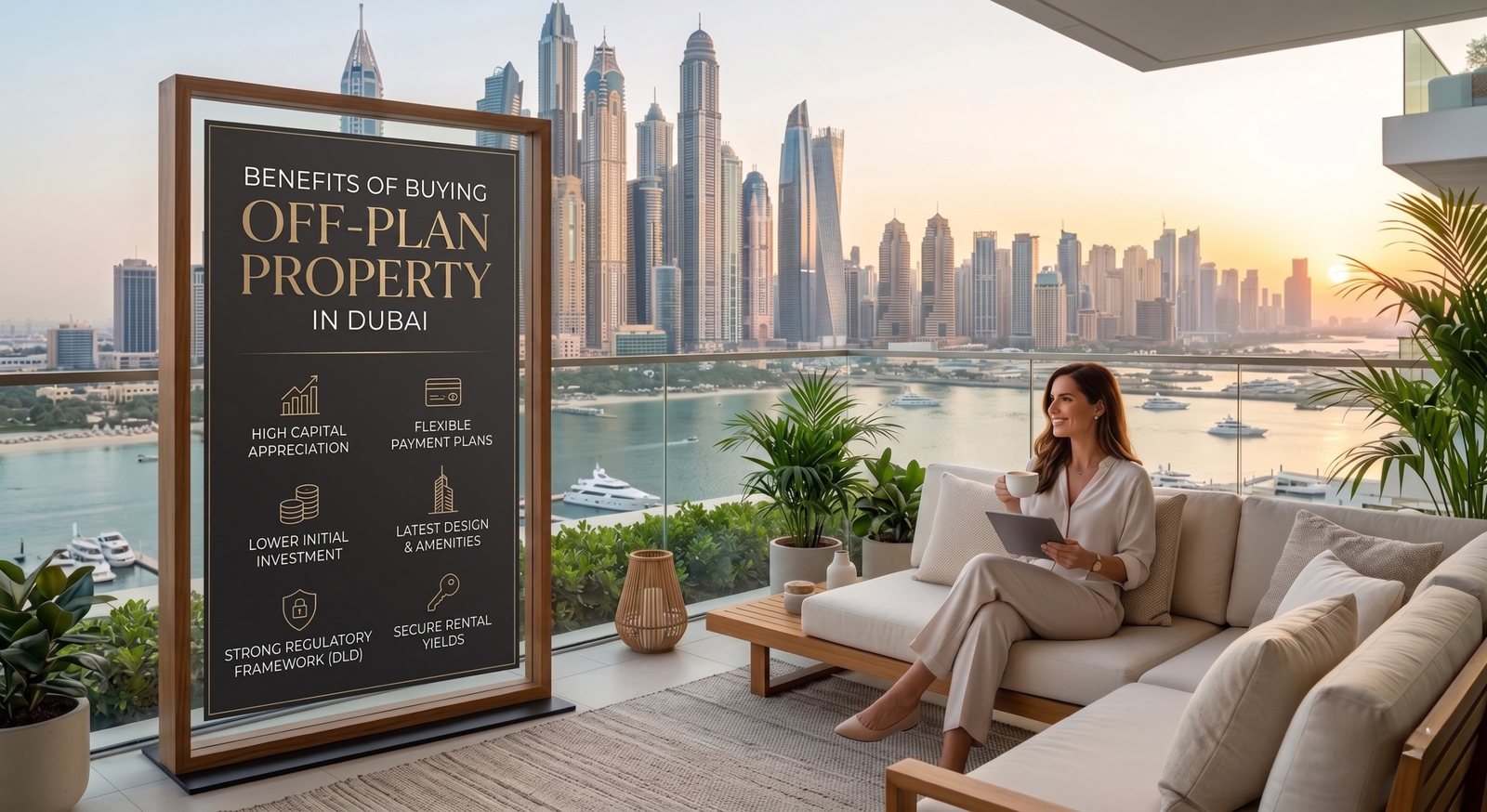
Many buyers evaluate off-plan properties for their structured financial adaptability. Developers frequently offer flexible payment plans that allow purchasers to manage cash flow effectively over several years. Entering the market early at lower price points could support long-term capital appreciation. This method remains a pragmatic approach to building an investment portfolio and generating long-term investment value.
The current wave of wealth migration heavily favors these unbuilt assets. Savvy high-net-worth individuals prefer to secure prime real estate locations before the surrounding urban development is finalized. Successful Dubai property investment requires analyzing these trends, tracking the capital inflow, and taking measured action when market indicators align.
Why Meydan Is Emerging as a Preferred Investment Destination
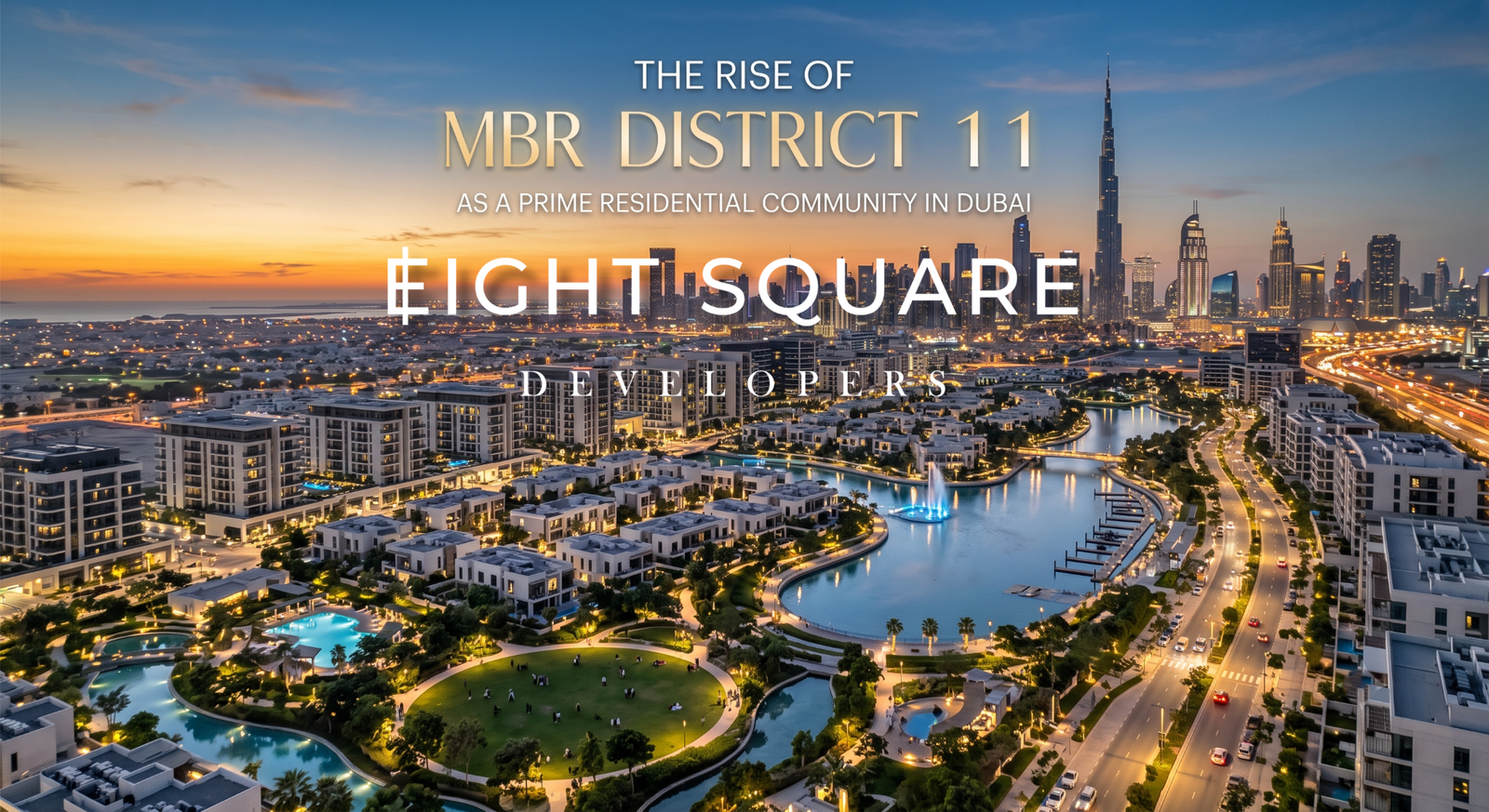
Investors increasingly evaluate the District 11 Meydan area for its central connectivity and strategic infrastructure. Meydan real estate is actively attracting buyers who seek larger homes, modern amenities, and convenient road access. This presents an appealing alternative for those evaluating options outside of Downtown Dubai and Business Bay. The focus here is on a balanced, world-class lifestyle rather than pure urban density.
You will discover thoughtfully designed family-friendly communities that prioritize green spaces and privacy. Ongoing Dubai infrastructure investment continues to strengthen Meydan’s appeal as a long-term residential destination. Exploring this sector reveals notable long-term value for discerning investors.
How Dubai’s Residency Growth Could Shape the Property Market Over the Next Five Years
Looking ahead, sustained Dubai population growth will likely dictate the pace of future urban development. As more global talent secures residency permits, the city must proactively manage its upcoming housing supply. This demographic shift demands new master-planned communities equipped with advanced smart government integrations, sustainable utilities, and accessible transit networks.
This ongoing maturation naturally boosts developer confidence and attracts significant institutional investment. Builders are shifting their focus toward sustainable growth, ensuring new projects cater to end-users rather than speculative flippers. Tracking these macro trends helps buyers forecast where the next major hubs of residential demand will emerge across the Dubai economy.
What Investors Should Consider Before Buying Property in 2026
You must define your exact financial parameters before entering the Dubai property market. It is crucial to evaluate the broader market fundamentals and verify the developer’s historical track record. Analyzing the projected housing supply in your chosen district helps mitigate potential vacancy risks. This evidence-based approach is essential for any serious acquisition involving luxury apartments in Dubai.
Focus your search on a strategic location that appeals directly to future tenants or buyers. A carefully planned leasing strategy can generate strong investment performance over the asset’s lifecycle. Understanding the demographic data behind Dubai residency permits 2026 allows you to time your investments with actual demographic shifts.
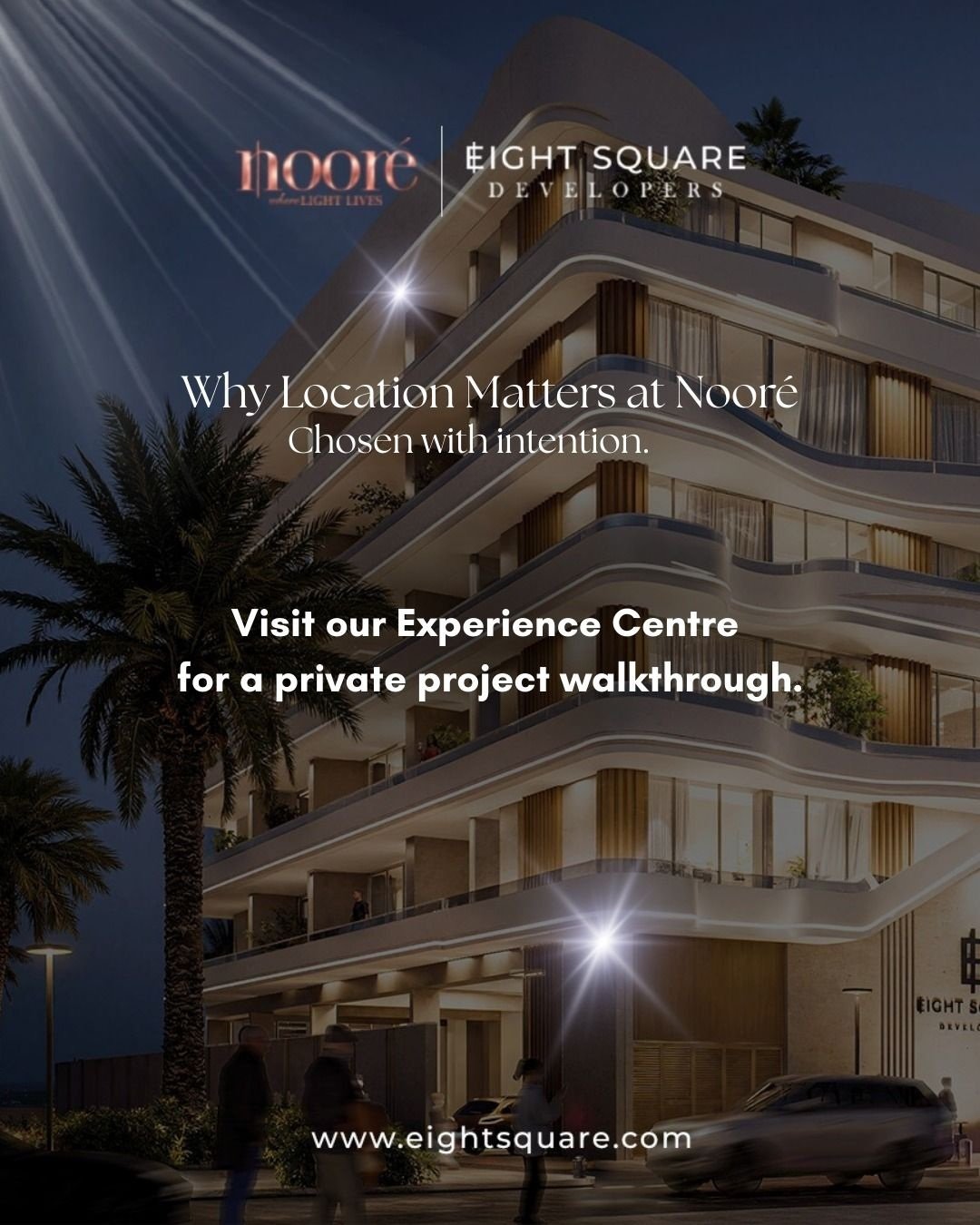
How Projects Like Nooré Align With Dubai’s Growing Housing Demand
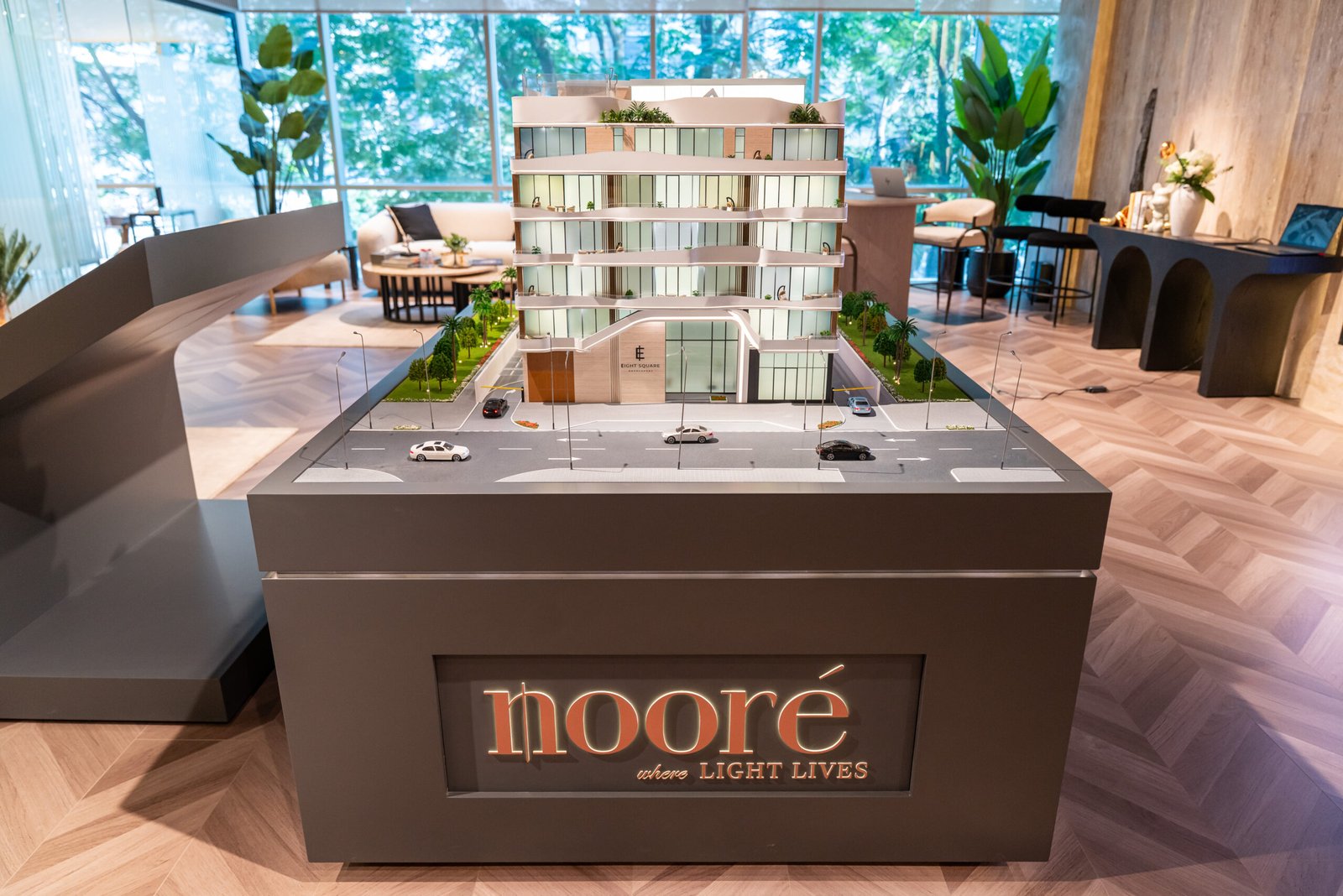
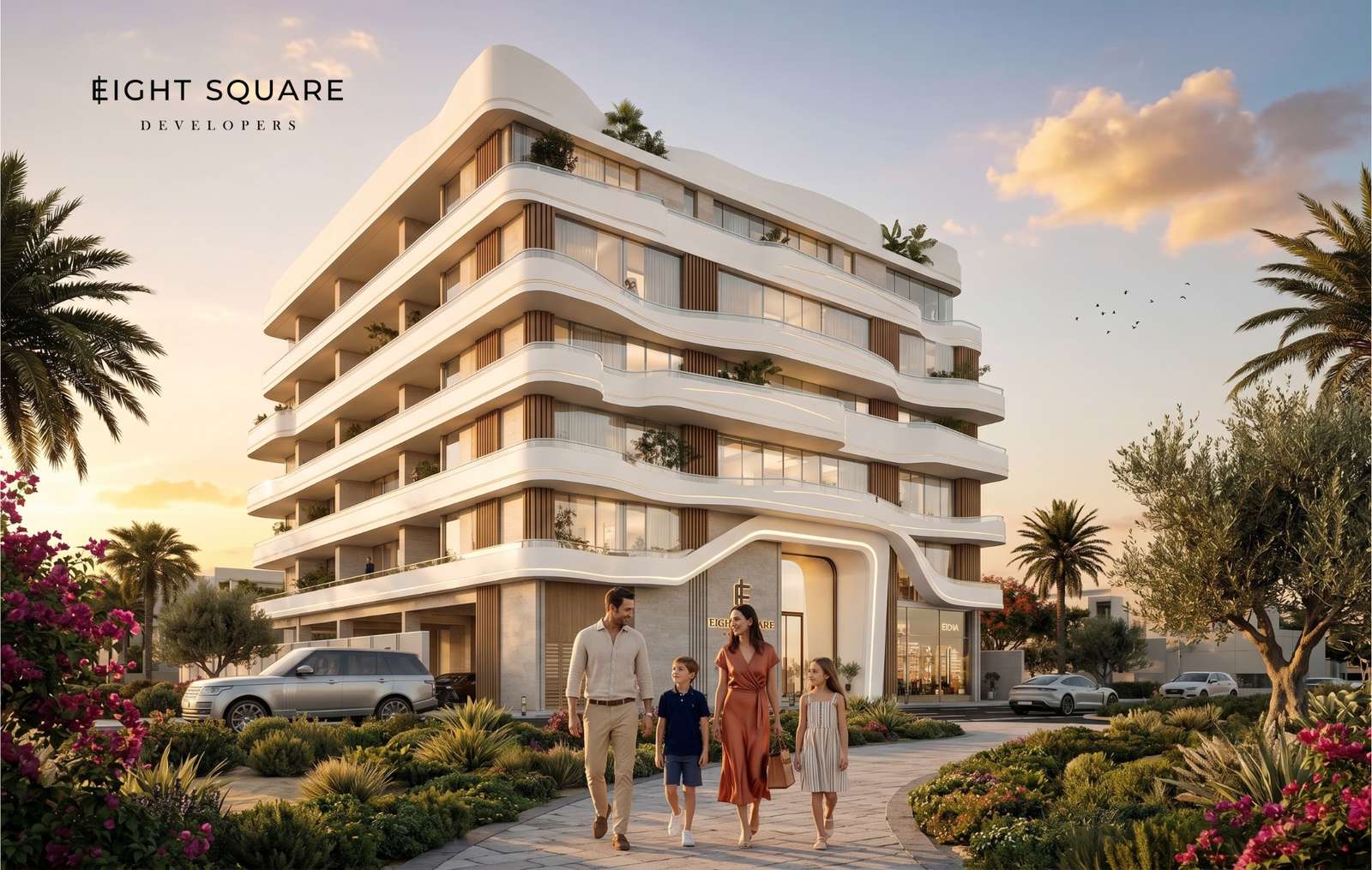
As demand shifts toward well-connected, low-density environments, modern buyer preferences are rapidly evolving. Projects such as Nooré in Meydan align with these expectations by offering adaptable premium residences and flexible payment structures. Buyers seek luxury living that integrates wellness features and proximity to key business districts. This creates an environment tailored perfectly for long-term residents.
Boutique developments typically appeal to buyers seeking lower-density communities, greater privacy, and a more curated living experience, characteristics that continue to gain importance among long-term residents. Thoughtful master-planned communities provide exactly what incoming professionals require for a balanced lifestyle. Selecting these investment-ready properties is a calculated response to the city’s changing demographic profile.
Will Dubai’s Residency Growth Continue Beyond 2026?
The city’s planned economic diversification suggests this population trend has strong long-term viability. The proactive UAE Government continuously enhances the business-friendly environment to attract international corporations. Streamlined digital transformation initiatives make securing a Residence visa highly efficient for global workers looking to relocate.
Sustained Foreign direct investment supports robust real estate growth across multiple emerging sectors. As a leading global city, the emirate systematically upgrades its infrastructure to accommodate future expansion. Consequently, the broader real estate outlook remains highly positive for the foreseeable future.
Final Thoughts: Why 2026 Could Be a Defining Year for Dubai Real Estate
The documented data regarding Dubai residency permits 2026 highlights a fundamental shift in the market structure. We are observing sustained Dubai real estate demand in 2026 driven by permanent relocation rather than speculative trading. Increased tourism, supported by the Multiple-entry visa and Tourist visa, also bolsters the short-term rental sector.
This environment presents a strategic window to evaluate your residential investment portfolio. Investors who embrace this sustainable growth trend can position themselves advantageously. Ultimately, the influx of skilled professionals provides a solid foundation for property stability in the coming years.
Frequently Asked Questions About Dubai Real Estate and Residency
-
How long can you stay in Dubai if you own a property? You can stay indefinitely by securing and renewing a 2-year property investor visa or a 10-year Golden Visa, as long as you maintain ownership.
-
Is Dubai real estate a good investment in 2026? Yes, it remains a strong investment in 2026, offering high tax-free rental yields (averaging 6-10%) and steady capital appreciation driven by population growth.
-
What is the new law for investors in Dubai? As of 2026, the new law completely removes the AED 750,000 minimum property value requirement, allowing sole owners of any property value to qualify for a two-year residency visa.
-
Can I buy a property in Dubai without residency? Yes, foreign non-residents can legally purchase and hold 100% ownership of properties in Dubai’s designated freehold areas.
-
How much money is required to buy a house in Dubai? While there is no legal minimum purchase price, expats using a mortgage must have at least a 20% down payment plus roughly 6-7% of the property value in cash for DLD registration and agency fees.